From Hearth to Shelf: The Country Larder’s Legacy in Modern Kitchens
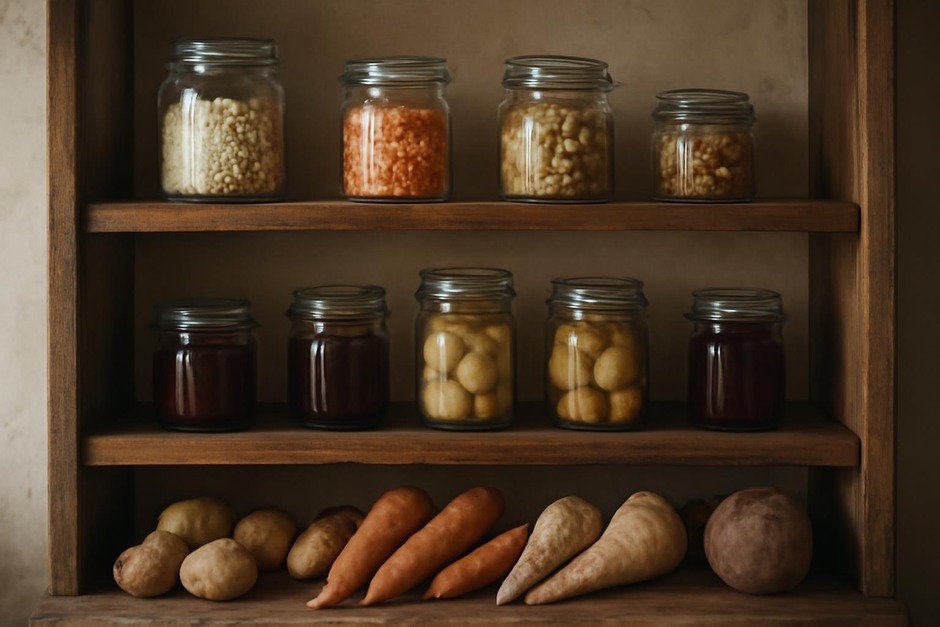
Standing in a cool, dim larder is a quiet kind of comfort: rows of jars, braids of garlic, and crates of apples suggest time slowed down to the rhythm of the seasons. The country larder, once an essential household room, shaped not only how food was stored but how people ate, planned, and gathered. Its practices—rooted in necessity—still offer practical lessons for modern kitchens.
Origins and the seasonal logic of the larder
The larder developed where refrigeration did not exist, often adjacent to the kitchen or built into the cool northern side of a house. In countryside homes, the larder was part of a seasonal system: spring’s surplus of greens and dairy gave way to summer’s fruits and herbs, then autumn’s harvests were preserved for winter. This cyclical approach encouraged families to eat what was available, when it was at its peak, and to plan ahead for leaner months.
Techniques and tools that kept food stable
Rather than a single invention, the larder relied on a toolkit of low-tech methods. Salt-curing and smoking extended the life of meats; sugar and alcohol preserved fruits in jams and syrups; cool, dark shelving slowed spoilage for dairy and root vegetables. Clay crocks, waxed cloth, and sealed jars were as important as the building itself. Many of these techniques are straightforward to reproduce today, require minimal equipment, and emphasize patience and craft over instant convenience.
Adapting the larder mindset to modern homes
Not every home has space for a dedicated cold room, but the larder mentality is more about habits than architecture. Small steps bring the benefits:
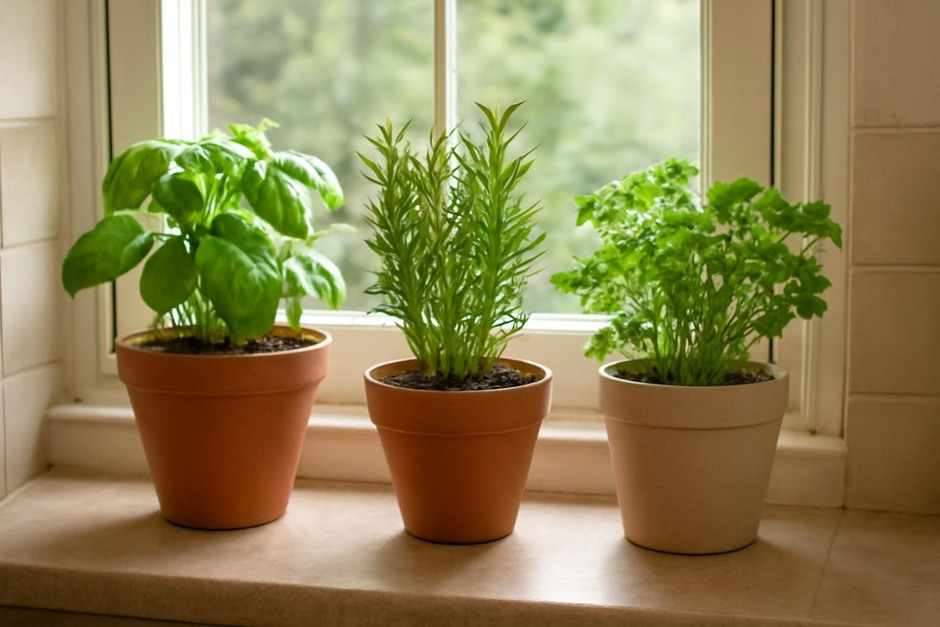
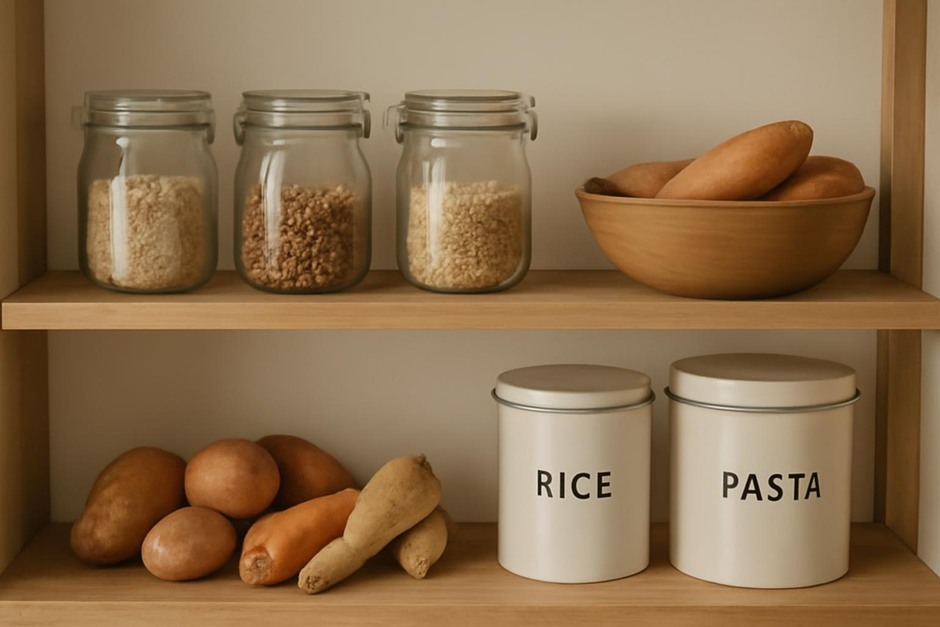
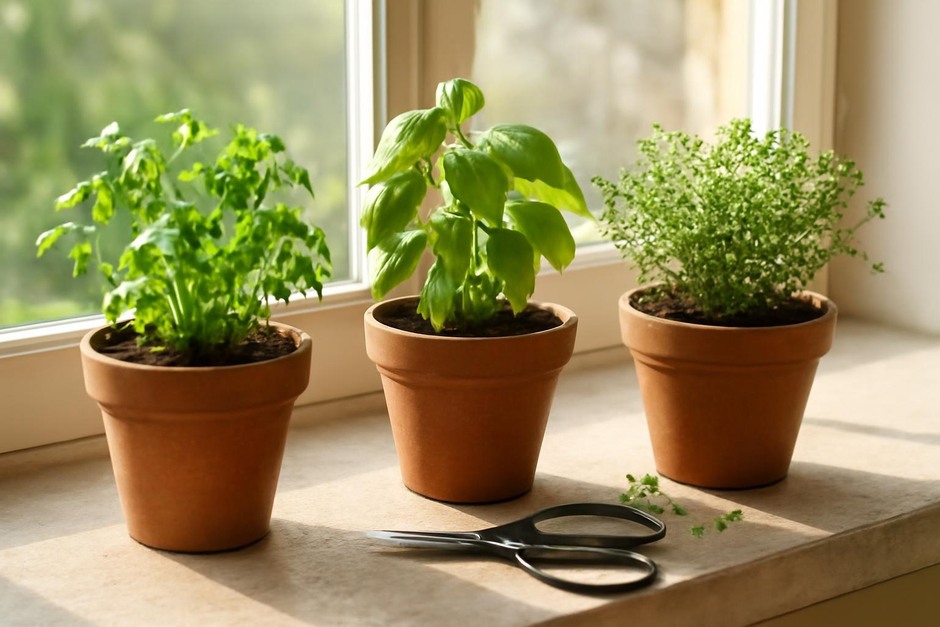
- Create a cool corner: Use a cupboard on the coolest side of the kitchen, or a pantry shelf away from heat sources, to store root vegetables, onions, and apples. A simple clay pot can keep herbs fresh longer on a windowsill.
- Prioritize jars and breathability: Opt for glass jars for preserves and loose storage for potatoes and onions rather than sealed plastic—ventilation matters for many staples.
- Preserve in season: Make small batches of jam, pickles, or ferments when produce is abundant. These preserve flavor and reduce waste while spreading the effort across the year.
- Label and rotate: Keep a simple log or labels to rotate stock, using older items first and noting dates to avoid unnecessary spoilage.
Cooking and conviviality: making the larder part of daily life
The larder influenced menus and social rhythms: hearty stews in winter, lighter preserves and fresh bread in summer. Adopting some of that seasonal thinking can simplify meal planning and deepen connection to local food. Try building weekly menus around what’s in your pantry and what’s ripe at the market. Invite friends to bring a jar or a loaf to share—preservation has long been a social craft, not just a household chore.
Measured conclusion
The country larder is a model of resourcefulness rather than nostalgia. Its lessons—seasonal eating, simple preservation methods, and thoughtful storage—translate easily into modern life and can make kitchens calmer and more resilient. You need not recreate a full cold room to benefit: a cool shelf, a few jars, and a seasonal habit or two are enough to restore some of the larder’s quiet efficiency to contemporary routines. In doing so, you honour a long tradition while shaping a home that eats with the seasons and values what it keeps.