A Living Table: Crafting a Four-Season Centerpiece from Kitchen and Garden Finds
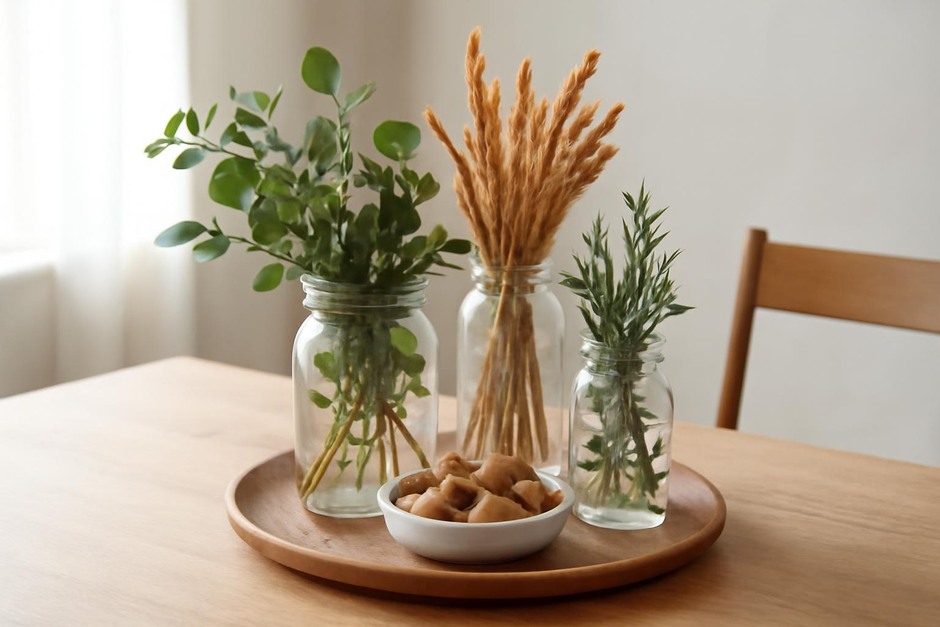
There is something quietly reassuring about a simple arrangement in the center of a table: it gives a room focus without demanding a redesign. A living table centerpiece can be built from things you already have—jars, a handful of garden stems, citrus from the kitchen—and adjusted as the seasons change. The aim is a modest, repeatable practice that brings a bit of nature indoors and makes everyday meals feel intentional.
1. Gather with Intention: Materials and Seasonal Considerations
Begin by taking stock of what’s available and what you enjoy. The best centerpieces are a small collage of textures and colors, not a single perfect bloom. Think in layers:
- Containers: reused glass jars, small pitchers, shallow bowls, a wooden tray, or a cluster of mismatched vessels.
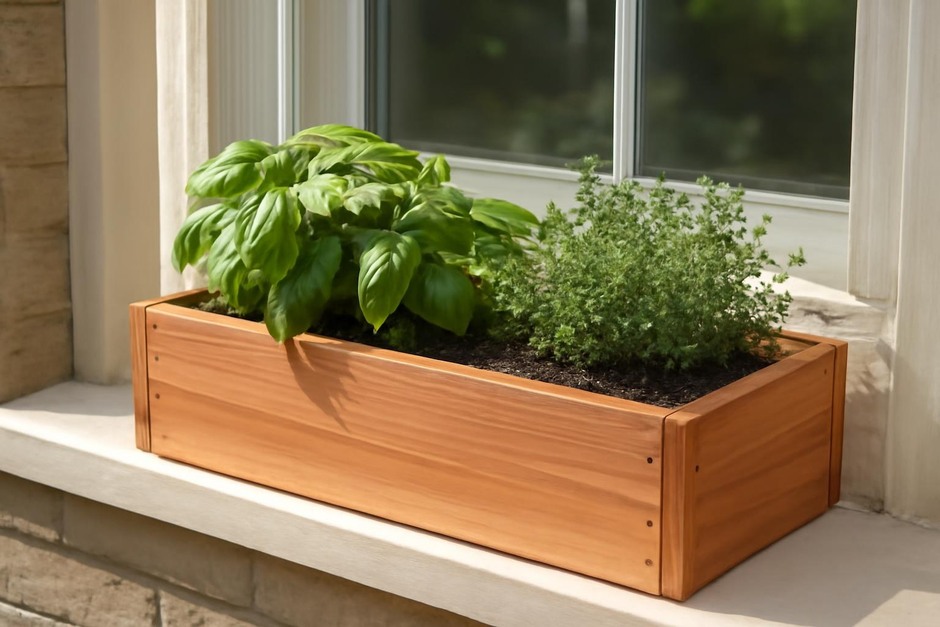
- Greenery and blooms: a few hardy stems from the garden, herbs from a windowsill, or supermarket greens. Choose long-lasting varieties like eucalyptus, lavender, rosemary, or small branches of apple or beech in cooler months.
- Kitchen accents: citrus halves, whole spices (star anise, cinnamon sticks), nuts in their shells, or a few small bulbs—objects that add scent, shape, and a humble domestic note.
- Textural extras: twine, scrap ribbon, dried seedheads, or a length of linen as a base layer.
Seasonal tweaks matter: spring favors fresh shoots and delicate flowers; summer invites bold garden blooms and herbs; autumn is the time for branches, seedpods, and warm-toned fruit; winter works well with evergreens, dried grasses, and citrus.
2. Prepare and Preserve: Simple Steps That Lengthen the Life of Your Arrangement
Small preparations help your centerpiece last longer and adapt gracefully when some components decline.
- Trim stems: Cut stems at an angle and remove leaves that would be submerged in water to reduce rot.
- Stagger water levels: Use shallow water in wider vessels and deeper water in tall jars. Some elements—like herbs—prefer a little water; others—like dried seedheads—prefer to stay dry.
- Combined fresh and dried: Place dried elements away from direct contact with water to keep them crisp. Use small inner vials for fresh stems if combining with dry materials.
- Refresh weekly: Top up water, remove limp stems, and rotate in new kitchen accents to maintain a fresh look.
These small acts keep the centerpiece lively and reduce waste by mixing durable elements with more ephemeral ones.
3. Arrange Like a Host: Composition, Balance, and Practical Tips
Think of arranging as hosting a small group: give each element a place and let them interact comfortably.
- Create a focal point: Start with one stronger object (a dark vessel, a bright citrus, or a large branch) placed slightly off-center.
- Build outward: Add medium-height stems around the focal point, then tuck lower pieces to soften edges. Vary heights and directions for a natural feel.
- Use odd numbers: Groups of three or five often read as more pleasing than pairs.
- Mind the scale: Keep the centerpiece low enough that it doesn’t block conversation if used on a dining table. For coffee tables, you can be slightly taller.
Don’t seek perfection. A slightly asymmetrical arrangement reads as more organic and easygoing than a formal, rigid display.
4. Rotate and Reuse: Keeping the Centerpiece Fresh Through the Seasons
A centerpiece becomes a habit when it’s easy to refresh. Aim for a few components you swap weekly and a handful that remain constant.
- Seasonal swaps: Replace a few stems or one accent (like switching out lemons for small gourds in autumn) rather than remaking the whole piece.
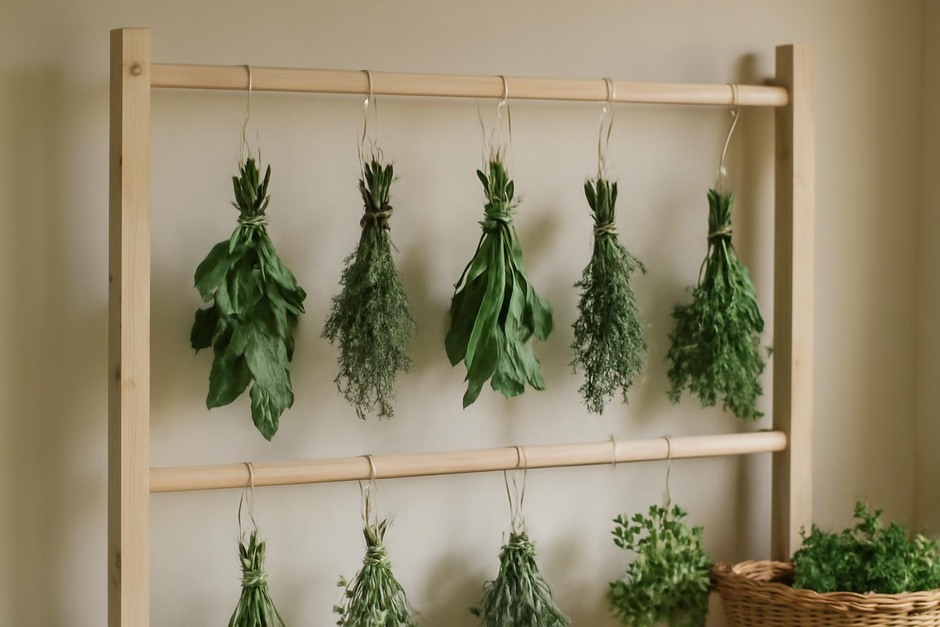
- Harvest and dry: When garden stems start to fade, harvest them for drying and repurpose the dried forms in future arrangements.
- Store intentionally: Keep a small box of reusable accents—ribbon, dried seedheads, a handful of nuts—so refreshing the centerpiece requires no extra shopping.
- Document favorites: Make a quick note or photo of combinations you like; it makes seasonal rotation faster and helps you build a repertoire.
Conclusion
Creating a living table centerpiece is not about perfection but about attention: noticing what’s available, pairing textures, and taking small actions that extend enjoyment. Over time this simple ritual can change how you see everyday objects—from jars and citrus to a single sprig of rosemary—turning ordinary moments into quiet, seasonal celebrations at home.