Field Guide: Observing and Supporting Native Pollinators Around the House
Problem
From backyard borders to balcony pots, many small gardens feel strangely quiet at times. Flowers bloom but the steady hum of life — bees, syrphid flies, solitary wasps, and native butterflies — is diminished or hard to notice. For people who enjoy a garden as a living room with wings, the problem is twofold: we don’t always know how to spot the less obvious pollinators, and our familiar tidy habits can reduce the habitat these insects need.
This guide is a field-oriented response. Instead of calls for major landscaping or long-term commitments, it centers on careful observation and modest, low-effort practices that make small outdoor spaces more inviting to native pollinators.
Principles
Begin by adopting a few simple guiding principles. Each one is rooted in observation: watch first, learn, then make small interventions and continue to track what changes.
- Observe before you alter. Spend several short sessions—10–15 minutes at different times of day—noting which insects visit which plants.
- Favor diversity over perfection. A variety of flower shapes and bloom times supports a broader range of species than a single, picture-perfect lawn or border.
- Provide structure and microhabitats. Bare ground, dead wood, and tussocks of grass are useful for nesting and overwintering, even in small amounts.
- Reduce disturbance. Minimize pesticide use, avoid excessive late-summer clean-up, and let seed heads or stems stand where space and aesthetics allow.
- Think seasonally. Identify early, mid, and late-season bloomers so pollinators find nectar from spring through autumn.
- Water and shelter matter. A shallow water dish, a low rock sunning spot, and a windbreak can make a small place much more hospitable.
Examples
Here are concrete, observationally driven examples you can try in a yard, courtyard, or balcony. Each example begins with what to look for and then explains simple actions that tend to help.
Example 1: The Early-Season Scout
Observation: In early spring, small, dark bees (often solitary mining bees) visit crocuses and early bulbs briefly on sunny mornings.
- Action: Leave a sunny patch of bare, well-drained soil in a sheltered spot for nest sites. Replace heavy mulches near bulb plantings with a thin leaf layer so ground-nesting bees can access soil.
- What to expect: More frequent visits to early-flowering bulbs and a noticeable increase in small bee activity on warm days.
Example 2: The Mid-Summer Generalists
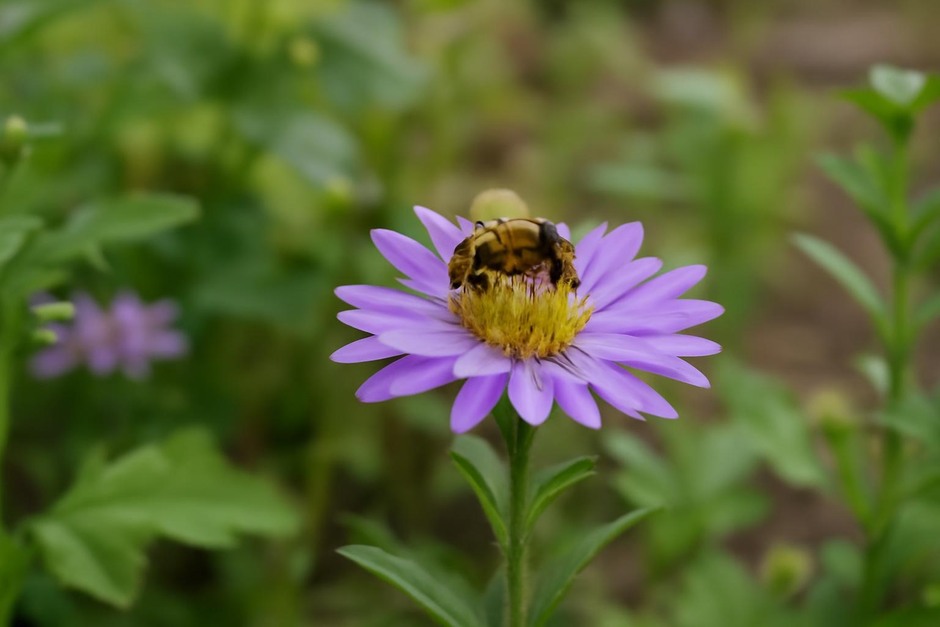
Observation: By mid-summer you may see larger bees, hoverflies, and butterflies visiting a mix of open flowers like asters, marigolds, and mints.
- Action: Plant a small cluster of native asters or salvias in a sunny spot and allow some spent flower heads to persist into autumn.
- What to expect: A steady hum around the plant cluster and more species visiting as the bloom carries on.
Example 3: The Nesting Corner
Observation: You notice tunneling holes or a sudden quiet patch where ground is compacted.
- Action: Create a tiny nesting bank by gently sloping a bank of loose, sandy soil or set aside a 1–2 square foot patch of bare earth. Alternatively, leave a small stack of untreated wood and hollow stems for cavity-nesting species.
- What to expect: Solitary bees and wasps may take up residence; activity is often most visible in late spring and early summer.
Concise Practice Checklist
- Observe: Spend three ten-minute sessions over a week at different times and note visitors and the plants they use.
- Add one plant cluster: Choose one native or pollinator-friendly perennial and plant three to five specimens together.
- Set aside a microhabitat: Reserve a 1–2 sq ft patch of bare soil or a small wood/stem pile for nesting.
- Provide water: Place a shallow dish with stones for perching and refill as needed.
- Delay clean-up: Leave seed heads and stems through late winter in at least one area of the garden.
- Repeat observation: Revisit the same observation times monthly to note changes and refine plant choices.
These steps are intentionally small-scale and repeatable. The aim is to cultivate a habit of careful observation, paired with modest, informed interventions. Over time, those observations will reveal which plants and microhabitats are truly helpful in your particular corner of the world, and you can adjust with confidence rather than guesswork.